What is the Difference Between Open Pollinated Seeds and F1 Hybrid Seeds?
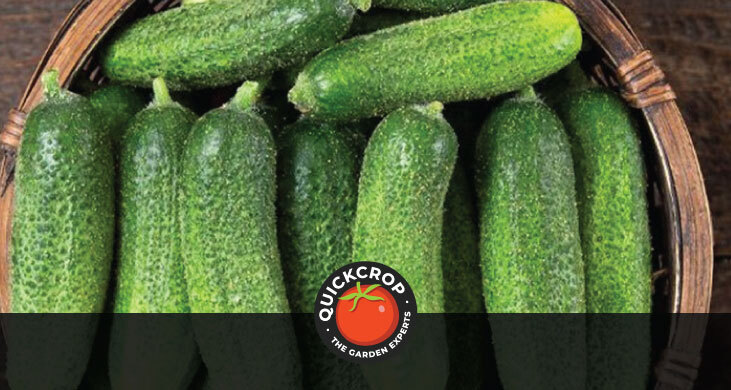
I thought I'd quickly try to explain the difference between open pollinated and F1 seeds this week, as I was asked about it twice over the last few days. I don't purport to be an expert in these matters but hopefully this article will shed some light on the subject.
F1 Hybrid Seeds Explained
An F1 hybrid is a plant grown by crossing two different parent varieties in order to combine the desirable characteristics of both (such as good size, colour, flavour, or a long shelf life).

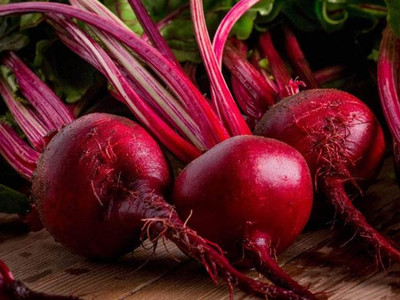
Beetroot 'Pablo F1'
View ProductThis cross pollination is essentially the same thing as happens in nature, but in the case of F1 plants it is done under tightly controlled conditions to ensure no other pollen slips into the mix.
Before these two parent plants can be crossed, each must first be bred so that their characteristics are stable and predictable. This process takes time, which is why F1 seeds can take years to develop and are often more expensive.
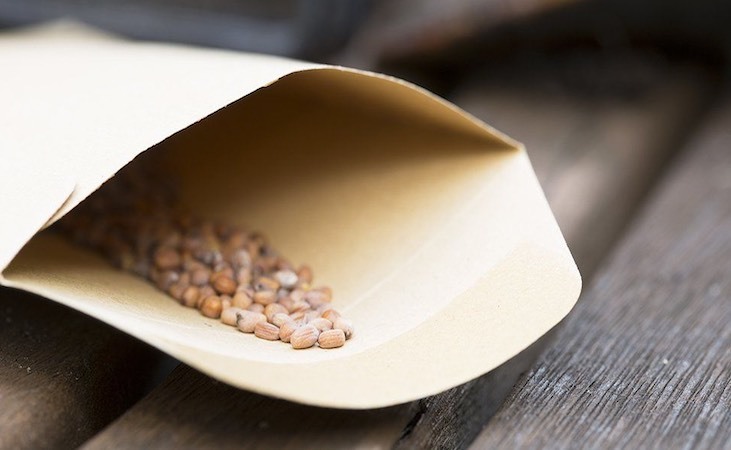
The ‘F1’ refers to ‘first generation’: i.e. the very first generation (or offspring) from crossing the two parent varieties. Not only does the F1 seed contain the desirable characteristics of both parents, it also tends to be more vigorous than either due to a phenomenon called 'hybrid vigour'.
What is Hybrid Vigour?
Hybrid vigour is the observed phenomenon where F1 hybrids display enhanced performance (such as yield, resilience or faster growth) compared to the parent plants.

Pumpkin 'Racer F1'
View ProductHowever, if you were to save seeds from the F1 hybrid plant and try growing them again, the next generation may not perform as well or look the same.
This is why you will need to go back to the source (i.e. buy new F1 seeds) if you want to grow a similar variety the following year. The desired growing characteristics become much less predictable and reliable with each successive generation (F2, F3).
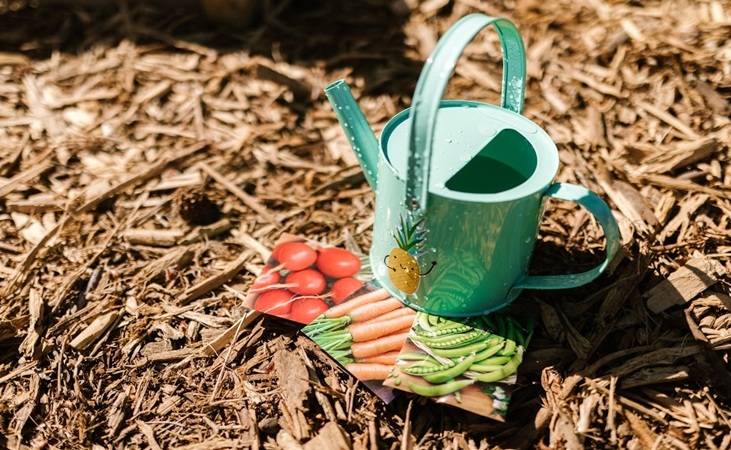
F1 seeds can sometimes be confused with genetically modified seeds, but they are very different. GMO seeds are created by directly altering the plant’s DNA in a laboratory to express specific traits (e.g. herbicide tolerance).
F1 hybrids are not genetically modified; they are better thought of as careful, considered natural matchmaking!

Cucumber 'Iznik F1'
View ProductOpen Pollinated Seeds
Open-pollinated seeds are produced when plants are naturally pollinated by wind or insects. Generally speaking, they will grow into plants which closely resemble the parent plant.
Open pollinated varieties have stable genetics. This means that when you save seeds from these plants and sow them in following years, you can expect consistency in terms of how the plant looks and performs.
However, this is assuming that there is no cross-pollination from other plant varieties, which can happen. Cross-pollination complicates things and can sometimes result in offspring having significantly different traits. Some plants are more prone to cross-pollination than others (e.g. corn, brassicas).
Cross pollination among plants can be avoided or discouraged with the following methods:
- planting different varieties at a distance from each other
- physical barriers - such as fine mesh netting, or ‘bagging’ flowers with paper bags
- timing your sowings to avoid crops flowering at the same time
- hand pollination
- a combination of the above methods

Giant Haxnicks Tunnel Micromesh - Insect Mesh Netting
View ProductWhat Does 'True to Type' Mean?
‘True to type’ refers to plants that grow and perform in the same way as their parent plant. Open-pollinated seeds are more likely to produce true-to-type offspring because their genetics are stable. F1 seeds, on the other hand, generally will not produce true-to-type plants if saved and replanted.
What about Heirloom Seeds?
Heirloom seeds are a subtype of open pollinated seeds. The key distinguishing factor is that their lineage can be traced back multiple generations.
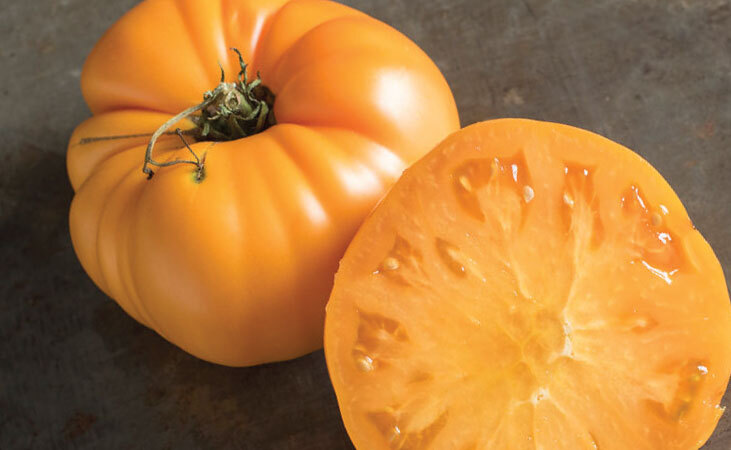
For example, the Brandywine tomato can be traced back to Amish communities in Pennsylvania in the late 1800s. Seeds were carefully saved and passed down through generations of farmers, all the time maintaining the same genetic traits (because it is open-pollinated).
Saving seeds from heirloom or open pollinated plants is both rewarding and important. It helps preserve genetic diversity, which might otherwise disappear if large commercial suppliers controlled all seed stocks.

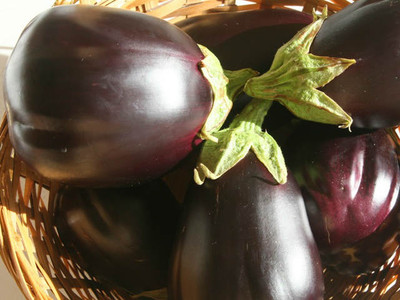
Aubergine 'Black Beauty'
View ProductOpen Pollinated vs F1 Seeds - Pros and Cons
Benefits of Open-Pollinated Seeds:
- Seed saving is possible and encouraged; great for home gardeners and small-scale farmers.
- They preserve unique heritage or heirloom traits, contributing to crop diversity.
- Open-pollinated varieties have often naturally adapted over time to local soil and climate conditions.
- They are often less expensive than hybrid seeds - even more so if you are growing from saved seeds.
Drawbacks of Open Pollinated Seeds:
- They are somewhat less reliable than F1 hybrids, in that performance, yield or plant size can vary in any given season.
- Potential for cross pollination means they may not always be ‘true to type’.
Benefits of F1 Seeds:
- Greater uniformity in terms of yield, time to maturity, size etc. This reliability can be particularly important to commercial growers.
- An effect known as ‘hybrid vigour’ often results in a stronger and more disease resistant crop than either of the parent plants.
- The incentives of creating hybrid seeds can lead to the production of new and better cultivars.
Drawbacks of F1 Seeds:
- Seeds saved from these varieties will not produce ‘true to type’ plants the next year. Therefore you will need to re order from a supplier if you want to grow the same variety again the following year.
- F1 hybrids are generally more expensive due to the careful and time-consuming techniques involved.
- It is sometimes the case that a specific F1 variety will only be available for a relatively short period of time (e.g. for a few years) - as new, improved cultivars are always being developed.
- They are typically more expensive than open pollinated seeds.

Cauliflower 'Graffiti F1'
View ProductConclusion: Which to Choose?
Despite all the fine-tuning and optimising, creating an F1 hybrid doesn't necessarily mean that it's going to taste better than a crop that’s been grown from naturally pollinated seed. F1 varieties tend to be favoured by commercial growers, where traits like uniform yields and long shelf life may be prioritised over taste.
F1 seeds are, however, an excellent solution for many crops. They have been developed to produce vigorous, uniform, high-yielding plants, and they do this very well.
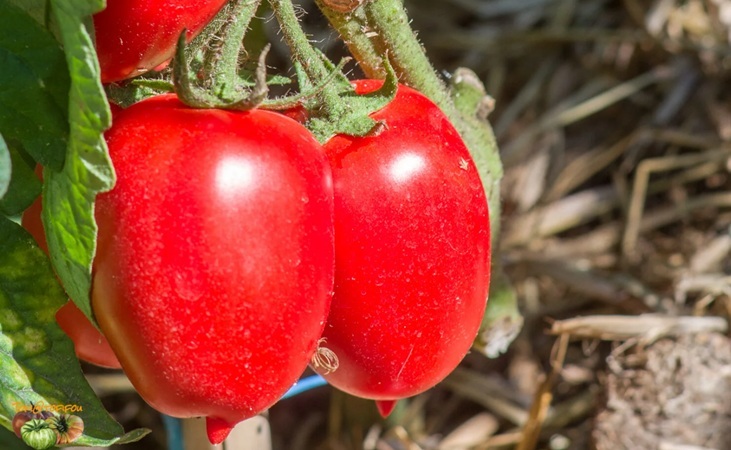
Personally I don't bother with calabrese, cauliflower or brussels sprouts which aren't F1s, as in these cases the results are so much better. On the other hand you will find that many open-pollinated varieties of tomatoes, for example, have a richer, more satisfying flavour.
Ultimately, choosing seeds is all about finding the varieties that work best for your garden and your palate - with a mix of seed types being my recommended choice.

Calabrese 'Belstar F1'
View Product